Luis Ayala | November 18, 2026
November 18, 2026
Your vehicle's exhaust system plays an important role in its overall performance, efficiency, and safety. Among its essential components, the muffler is responsible for reducing engine noise and helping create a more comfortable driving experience. Although mufflers are designed to withstand regular use, exposure to moisture, road debris, temperature changes, and exhaust gases can eventually cause deterioration. When damage becomes significant, replacing the component is necessary to maintain proper vehicle operation.
What Is the Role of a Muffler in Your Vehicle?
A muffler is an important part of your vehicle's exhaust system. Its primary responsibility is reducing the noise produced by the engine during the combustion process. As exhaust gases travel through the exhaust pipes, they pass through the muffler, where specially designed chambers and internal passages help absorb and cancel sound waves before the gases exit the vehicle.
Without a properly functioning muffler, an engine can become considerably louder. This can make everyday driving uncomfortable and potentially create excessive noise that violates local vehicle noise regulations. The muffler also contributes to directing exhaust gases through the vehicle's exhaust system, supporting the overall operation of the system.
Although the muffler does not directly control engine emissions, it works alongside other exhaust components, including catalytic converters, oxygen sensors, and exhaust pipes. Each component has a specific responsibility in managing exhaust gases and maintaining proper vehicle operation. Problems within one section of the system can sometimes affect other components.
Mufflers are also exposed to demanding conditions throughout their service lives. Water produced during combustion can accumulate inside the exhaust system, while rain, snow, road salt, and debris can accelerate exterior corrosion. These conditions are particularly challenging for vehicles frequently driven in areas with harsh winters.
What Are the Signs That Indicate Your Muffler Needs Replacement?
Muffler problems do not always develop suddenly. In many cases, drivers notice gradual changes in vehicle noise or performance before the component fails completely. Recognizing these warning signs can help prevent additional exhaust system damage and determine when professional attention is necessary.
One of the most recognizable symptoms is an unusually loud exhaust. A damaged muffler may produce excessive rumbling, rattling, buzzing, or roaring sounds, particularly when accelerating. These noises can indicate internal deterioration, damaged mounting hardware, or holes that allow exhaust gases to escape before reaching the tailpipe.
Visible rust and corrosion are additional warning signs. Surface rust does not automatically mean a muffler needs replacing, but extensive corrosion can weaken the metal and eventually create openings. Drivers who notice holes, loose sections, or deteriorating connections should have the exhaust system inspected.
Unusual exhaust smells also deserve attention. A leak beneath the vehicle can allow exhaust gases to escape before reaching the appropriate outlet. If fumes enter the passenger compartment, occupants could be exposed to carbon monoxide, which is odorless and potentially fatal. Drivers should stop using a vehicle if they suspect exhaust fumes are entering the cabin and arrange for professional inspection.
Changes in fuel economy or engine performance may also accompany exhaust system problems. However, these symptoms can have several possible causes, so they should not automatically be attributed to a failing muffler.
Mufflers have a limited service life, although their longevity varies considerably. According to Theengineeringchoice.com, most new mufflers last approximately 40,000 to 80,000 miles, equivalent to about two to four years, depending on driving conditions and vehicle make and model.
Why Is Professional Muffler Replacement Important?
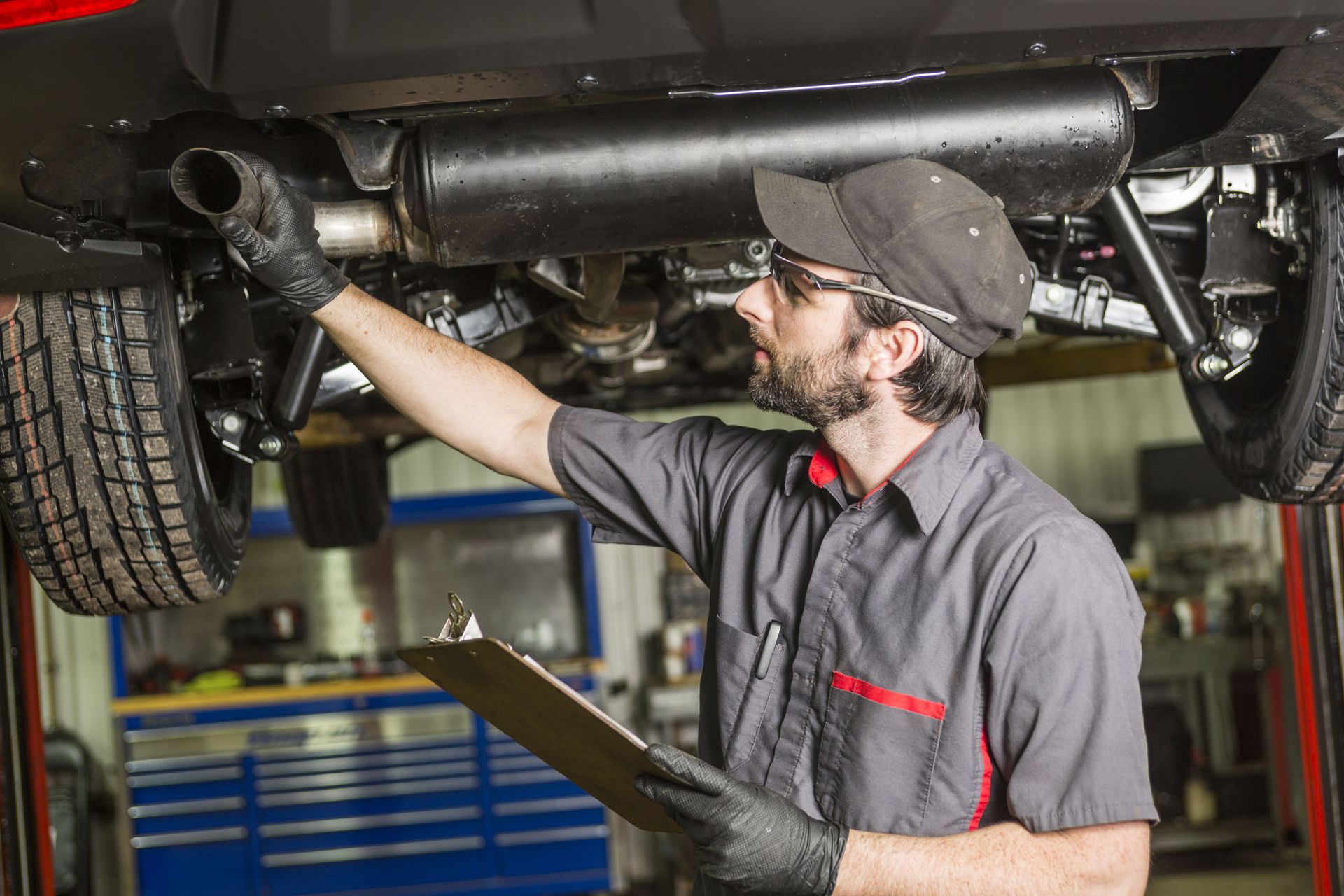
Professional service provides several advantages when dealing with exhaust system repairs. Although the muffler may appear relatively straightforward, proper installation requires an understanding of exhaust configurations, mounting systems, and connections. Experienced technicians can evaluate these factors and ensure the replacement component is appropriate for the vehicle.
One significant advantage is accurate diagnosis. Excessive exhaust noise does not necessarily mean the muffler itself is responsible. Damaged pipes, deteriorating hangers, leaking joints, and other exhaust components can produce similar symptoms. A professional inspection helps identify the underlying problem instead of replacing parts unnecessarily.
Technicians can also select compatible replacement components. Mufflers vary in size, design, connection placement, and sound characteristics. Choosing an incorrect component can create installation difficulties, affect exhaust routing, or produce undesirable noise levels. Professionals can identify suitable options based on the vehicle's specifications and intended use.
Proper installation is equally important. The replacement must align correctly with the existing exhaust pipes and mounting points. Connections need to be secured appropriately to prevent leaks, excessive vibration, and premature wear. Technicians can also inspect surrounding components for corrosion or damage that might compromise the repair.
What Are the Risks of DIY Muffler Replacement?
Replacing a muffler might seem like a manageable weekend project for someone with basic automotive knowledge. However, working underneath a vehicle and handling exhaust components introduces several safety concerns and technical challenges that should not be underestimated.
One of the biggest risks involves improper vehicle support. Muffler replacement often requires access to the underside of a vehicle. Using an inadequate jack or improperly positioned jack stands can cause the vehicle to shift or fall, potentially resulting in severe injuries. Professional facilities use vehicle lifts and appropriate safety equipment to reduce these hazards.
Heat is another consideration. Exhaust components can remain extremely hot after the engine has been running. Attempting repairs before the system has cooled sufficiently can result in burns. Rusted exhaust pipes and fasteners can also be difficult to remove, sometimes requiring specialized cutting or extraction equipment.
Installation mistakes can create additional complications. A poorly aligned muffler may place unnecessary stress on exhaust hangers and connections. Loose clamps or improperly sealed joints can allow exhaust gases to escape, creating noise, unpleasant odors, and potential health hazards.
Selecting the wrong replacement component is another common concern. Vehicles may have different exhaust configurations depending on their engine, model year, and trim level. A muffler that appears similar to the original may not have the correct dimensions or connection points.
DIY repairs can also overlook underlying problems. Replacing a visibly damaged muffler without inspecting the remaining exhaust system may leave deteriorating pipes or connections unaddressed. These issues could lead to additional repairs shortly afterward.
How Can You Choose the Right Professional for Muffler Replacement?
Choosing an automotive repair professional requires more consideration than simply finding the lowest advertised price. Drivers should look for a reputable shop with experience handling exhaust systems and a clear approach to diagnosing and completing repairs.
Start by researching local automotive repair facilities. Online reviews, recommendations from other drivers, and established business reputations can provide useful information about service quality. Pay attention to comments regarding communication, workmanship, pricing transparency, and customer satisfaction.
Experience is another important consideration. Ask whether the shop regularly handles exhaust repairs and whether its technicians are familiar with your vehicle's make and model. Shops with appropriate diagnostic equipment and exhaust repair tools are generally better prepared to handle different installation requirements.
Before approving any work, request an inspection and a detailed estimate. The estimate should identify the recommended replacement component, labor costs, and any additional repairs that may be necessary. A trustworthy technician should explain why the work is needed and distinguish essential repairs from optional recommendations.
It is also worthwhile to ask about parts and warranties. Replacement mufflers can differ in construction, materials, and expected durability.
Investing in professional
muffler replacement helps protect your vehicle, reduce the likelihood of recurring exhaust problems, and provide greater confidence every time you get behind the wheel. If you need muffler repair, contact Aces Performance Exhaust today!